
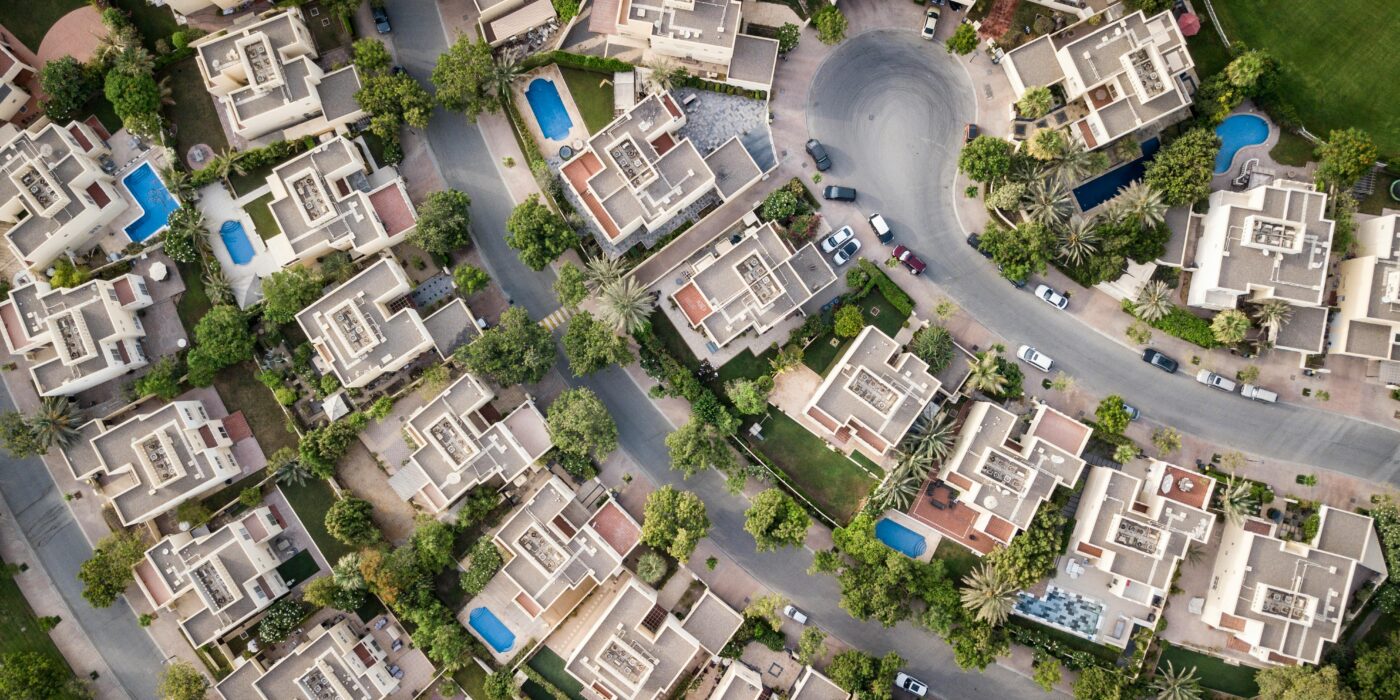
dubai villas

WHY DUBAI VILLAS ARE OUTSHINING APARTMENTS IN 2025’s PROPERTY BOOM

Dubai’s property market continues its record-breaking trajectory in 2025 — and villas are taking center stage.

According to Knight Frank’s latest Q2 2025 report, villas have seen a 16% year-on-year increase in prices, outperforming the broader residential market, which posted a 13% annual growth. This comes amid Dubai’s nearly five-year rally in property prices, positioning villas as a key segment for both investors and end-users.

Record-BREAKING Quarter for RESIDENTIAL Sales

The second quarter of 2025 witnessed over 51,000 residential transactions, marking an all-time high for any single quarter in Dubai’s history. This surge reflects a strong appetite for home ownership, particularly in premium segments such as stand-alone villas.

“Transaction volumes and values have hit historic highs,” said Faisal Durrani, Partner and Head of Research for MENA at Knight Frank. “Demand continues to skew towards villas, especially given the limited supply in this category.”

Demand Outpaces Supply for VILLAS

While developers have ramped up new projects, only 20% of the upcoming residential supply through 2029 is expected to be villas, Durrani noted. With the demand for spacious, stand-alone homes growing — especially among families and international buyers — the performance gap between villas and apartments may widen further.

One major driver of this shift was the Covid-19 pandemic, which redefined housing preferences globally. Buyers increasingly prioritize space for home offices, fitness rooms, and private outdoor areas — features commonly found in villas.

PRICE Trends: VILLAS Near 50% Above 2014 Peak

Villas posted an average price of AED 2,172 per square foot in Q2 2025, up 4% quarter-over-quarter. Notably, villa values are now 49.3% above their 2014 peak, while apartment prices have increased by 17.5% over the same period.

This upward momentum is likely to persist, as the supply of premium villas remains tight. “We continue to see strong price growth, especially in communities that combine lifestyle offerings with exclusivity,” Durrani added.

Top-PERFORMING VILLA COMMUNITIES

Among the standout communities in Q2 2025 were:

  • Victory Heights

  • Al Barari

  • Jumeirah Park

  • Dubai Hills Estate

These areas recorded quarterly price growth between 8–10%, driven by a blend of limited supply, lifestyle appeal, and strong buyer interest. On an annual basis, Green Community West, Al Furjan, and Emaar South also showed impressive performance, while premium areas like The Meadows and Arabian Ranches continued to attract affluent families.

A SHIFT Towards End-Users and Long-Term INVESTORS

Unlike previous market cycles driven by short-term speculation, Dubai’s current boom is largely underpinned by genuine buyers and long-term investors. Will McKintosh, Regional Partner and Head of Residential at Knight Frank, noted that resales within 12 months now account for just 4–5% of transactions — a sharp contrast to the 25–30% observed during the 2008 peak.

“This is a far more sustainable and end-user-driven market,” Durrani explained. “The demand is coming from families seeking primary residences, as well as international investors opting to ‘buy-to-hold’ or ‘buy-to-let.’”

DUBAI’S RESIDENTIAL Market: FIVE Years of Growth

Dubai has now seen five consecutive years of residential price growth since the current cycle began in late 2020. The total transaction value for H1 2025 reached AED 268 billion, a 41% increase compared to the same period in 2024. Knight Frank forecasts the total value for the year to exceed AED 367 billion, setting another new benchmark.

As of Q2 2025, average citywide residential prices stood at AED 1,809 per square foot, which is 21.6% higher than the previous market peak in 2014.

Knight Frank’s projections for the remainder of 2025 remain optimistic:

  • 8% growth expected in the mainstream market

  • 5% growth forecast in the prime segment

Off-plan sales continue to dominate, accounting for nearly 70% of transactions. Among the top-performing prime locations are Palm Jumeirah, Emirates Hills, Dubai Hills Estate, and Jumeirah Bay Island — favored by international high-net-worth individuals.


Sources:

  • Knight Frank Middle East, Dubai Residential Market Q2 2025 Report

  • Khaleej Times, “Dubai Property Market Hits Historic Highs in Q2 2025”

  • Gulf News, “Why Villas Are Still Outperforming Apartments in Dubai”
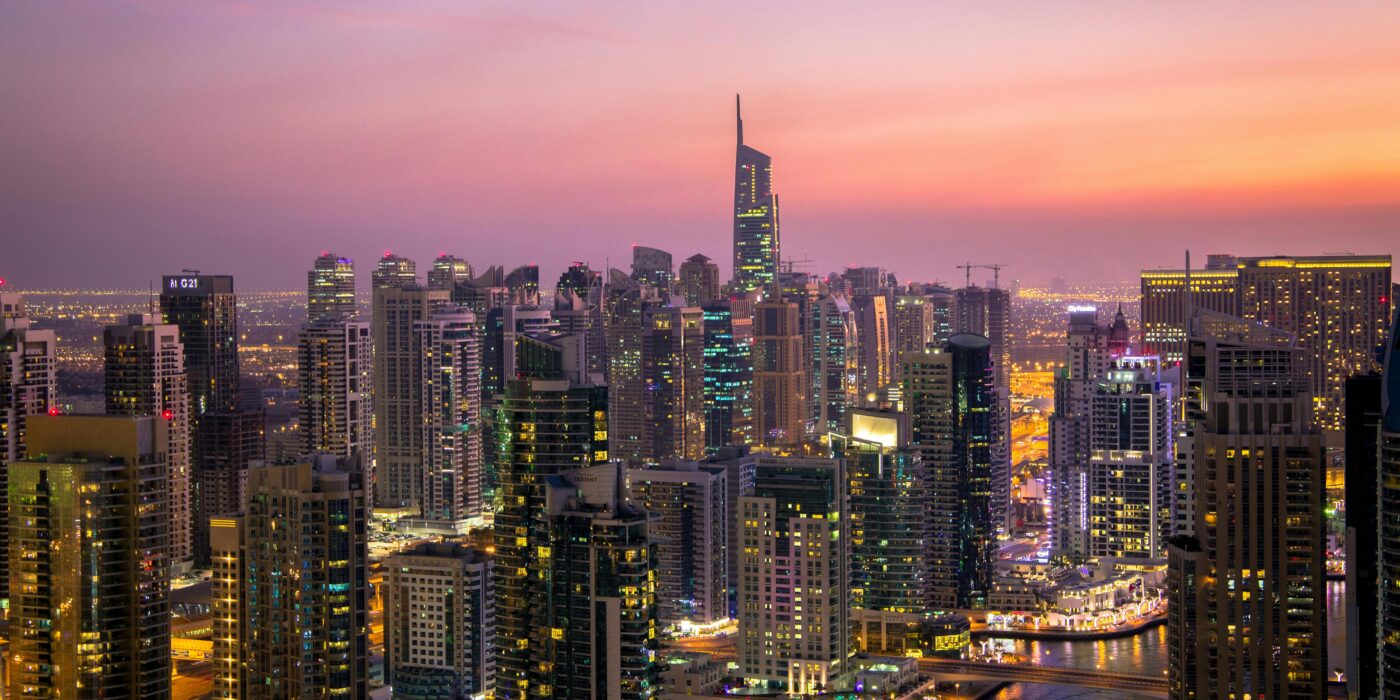
dubai rentals

HOW IS DUBAI’S RENTAL MARKET RESHAPING THE FUTURE OF TRAVEL AND INVESTMENT?

Dubai’s short-term rental market is undergoing transformative changes, driven by its growing appeal as a global hub for business, tourism, and luxury living. Here’s how it’s reshaping the future of travel and investment:


1. Enhanced FLEXIBILITY for Travelers

  • Personalized Experiences: Short-term rentals offer unique accommodations, from beachfront villas to urban penthouses, providing travelers with tailored experiences that hotels often cannot match.
  • Workation Trend: Dubai’s lenient remote work visas and infrastructure for digital nomads make it an ideal destination for combining work and leisure.

2. A LUCRATIVE OPPORTUNITY for INVESTORS

  • High Returns: The short-term rental market offers higher yields compared to long-term rentals, especially during peak tourist seasons.
  • Global Appeal: Investors from around the world are attracted to Dubai’s tax-free environment and strong demand for premium short-term accommodations.

3. Regulatory INNOVATIONS

  • Streamlined Licensing: Dubai’s government has simplified short-term rental registration, ensuring more transparency and professionalism in the market.
  • Quality Standards: New regulations emphasize maintaining property standards, boosting confidence among both guests and investors.

4. TECHNOLOGICAL Advancements

  • Smart Property Management: Automation tools for booking, pricing, and guest communication make managing short-term rentals more efficient.
  • Data-Driven Insights: Platforms like Airbnb and local services provide valuable analytics, helping investors optimize pricing and occupancy.

5. GROWING COMPETITION

  • Market Saturation: The influx of new hosts has intensified competition, pushing property owners to differentiate through better amenities and service quality.
  • Seasonal Fluctuations: Strategic pricing and marketing are essential to maintain profitability during off-peak seasons.

Future Outlook

As Dubai continues to evolve as a global destination, short-term rentals will play a pivotal role in shaping its tourism and real estate sectors. The market’s growth offers opportunities for those who can adapt to trends, maintain high standards, and leverage technology. However, success will require staying informed about regulatory changes and market dynamics.

Dubai’s short-term rental market is not just reshaping travel—it’s redefining how people live, work, and invest in one of the world’s most dynamic cities.

short term vs long term rentals in dubai

Short-Term vs Long-Term Rentals in Dubai – How to Maximize Your Rental Income?

Thinking about maximizing your rental income in Dubai? Unlike long-term leases, short-term rentals on platforms like Airbnb can offer higher nightly rates, flexible pricing, and additional fees that boost your earnings.

Earning More with Short-Term Rentals vs. Long-Term Rentals in Dubai

  1. Higher Nightly Rates: Short-term rentals, such as those on Airbnb, often command higher nightly rates compared to the monthly rent you’d get from long-term tenants. This can lead to significantly higher revenue, especially during peak tourist seasons or major events in Dubai.
  2. Flexibility: Short-term rentals offer the flexibility to adjust pricing based on demand. You can increase rates during high-demand periods (e.g., holidays, major events) and lower them during off-peak times to attract more bookings, optimizing your earnings.
  3. Increased Occupancy Rates: By utilizing dynamic pricing strategies and marketing your property effectively, you can achieve higher occupancy rates with short-term rentals. This can sometimes surpass the stability of long-term rentals, which are fixed for the lease duration.
  4. Additional Fees: Short-term rental platforms often allow for additional fees, such as cleaning fees or service fees, which can further boost your income. These are not typically applicable in long-term rental agreements.
  5. Potential for Premium Guests: Short-term rentals attract travelers who may be willing to pay a premium for unique or luxurious accommodations, offering opportunities for higher earnings through upscale features and amenities.
  6. Tax Benefits: Depending on local regulations, short-term rental hosts might benefit from different tax structures compared to long-term rental income, potentially leading to more favorable financial outcomes.
  7. Higher Turnover: Frequent guest turnover in short-term rentals can mean more frequent reviews and higher ratings, enhancing the property’s visibility and attractiveness on booking platforms, potentially leading to increased bookings and revenue.Considerations: While short-term rentals can be more lucrative, they also require more hands-on management, including guest interactions, cleaning, and property maintenance. Long-term rentals offer stable, consistent income but might not match the potential high returns of short-term renting. Evaluate your investment strategy, available time for management, and market conditions to choose the best option for your property in Dubai.

How to Maximize Your Rental Income in Dubai?

Maximizing and optimizing rental income in Dubai involves strategic planning and smart property management. Here are some effective strategies:

  1. Market Research and Pricing: Regularly analyze market trends to set competitive rental rates. Adjust prices based on demand, seasonality, and comparable properties to ensure your rent remains attractive.
  2. High-Quality Property Management: Engage a professional property management company to handle day-to-day operations, tenant screening, and maintenance. Their expertise can help optimize your rental income and ensure high occupancy rates.
  3. Property Upgrades: Invest in property improvements and modern amenities that increase appeal and justify higher rental rates. Quality renovations and furnishings can attract premium tenants willing to pay more.
  4. Effective Marketing: Use high-quality photos and compelling descriptions in listings. Leverage social media, property platforms, and local networks to reach potential tenants and reduce vacancy periods.
  5. Flexible Lease Terms: Although long-term leases are common, offering options like shorter leases or flexible terms can attract tenants looking for temporary solutions, potentially increasing demand.
  6. Additional Income Streams: Consider adding value-added services or amenities, such as parking, housekeeping, or premium utilities, to generate extra income.
  7. Regular Maintenance: Keep the property well-maintained to prevent issues and retain tenant satisfaction, which can lead to longer leases and lower turnover rates.

By applying these strategies, you can effectively maximize and optimize your rental income, even with the constraints of long-term rental contracts.